The Expositor’s Greek Testament
The Expositor’s Greek Testament is now dated, but it preserves some keen exegetical insights that more recent commentators have continued to find helpful.
The Expositor’s Greek Testament is now dated, but it preserves some keen exegetical insights that more recent commentators have continued to find helpful.
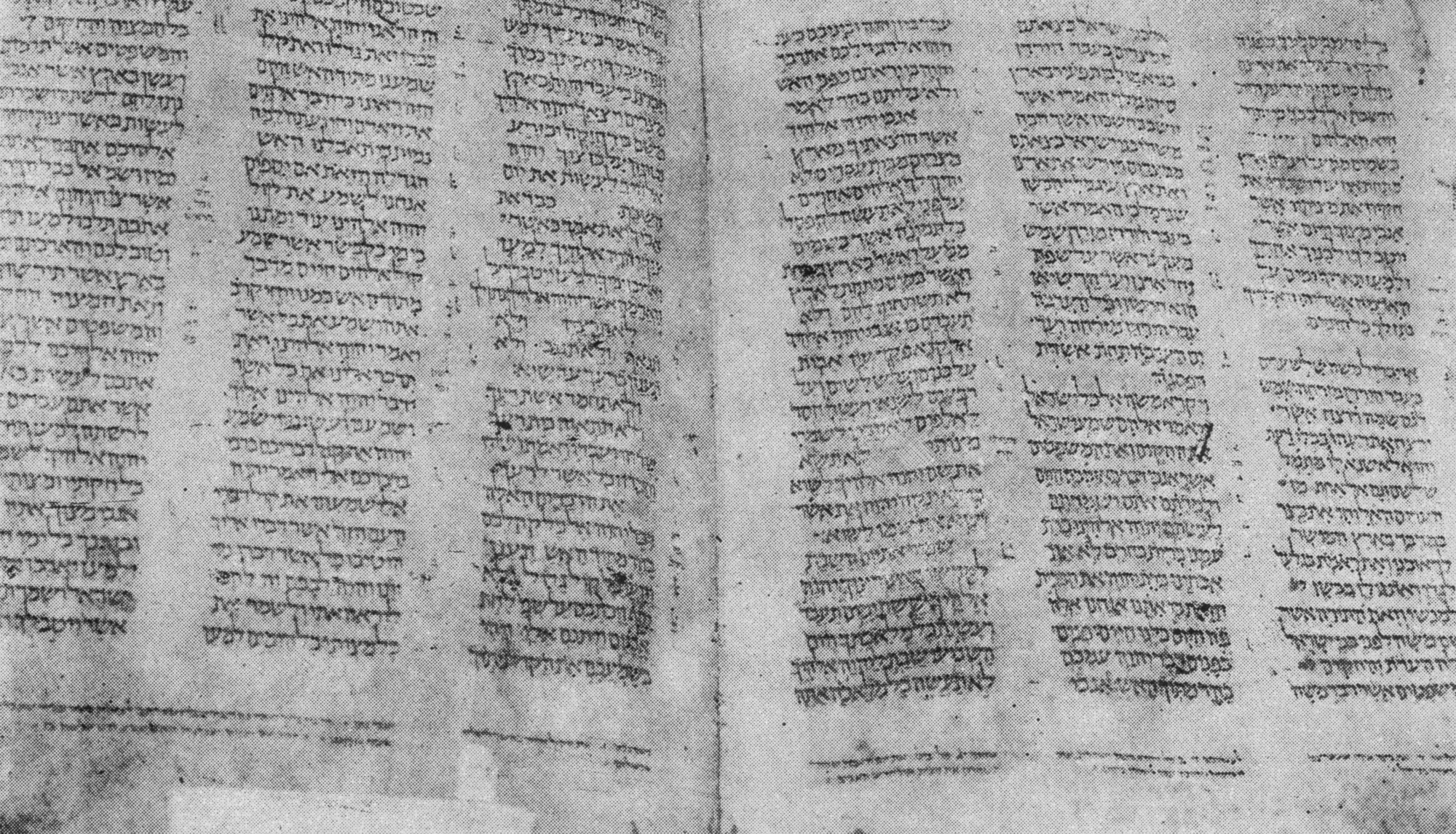
Printed texts have their virtues. But sometimes you need to look at a manuscript. Here’s how to find your way around the Aleppo Codex.
The Larger Cambridge Septuagint project, The Old Testament in Greek according to the Text of Codex Vaticanus, had 9 fascicles published from 1909 to 1940. These fascicles are available in full-text PDFs via Internet Archive:
Although the Larger Cambridge series is incomplete and has been superseded by the Göttingen edition, the volumes are still quite valuable and, for the texts they cover, perhaps also much more accessible than the corresponding Göttingen volumes.
...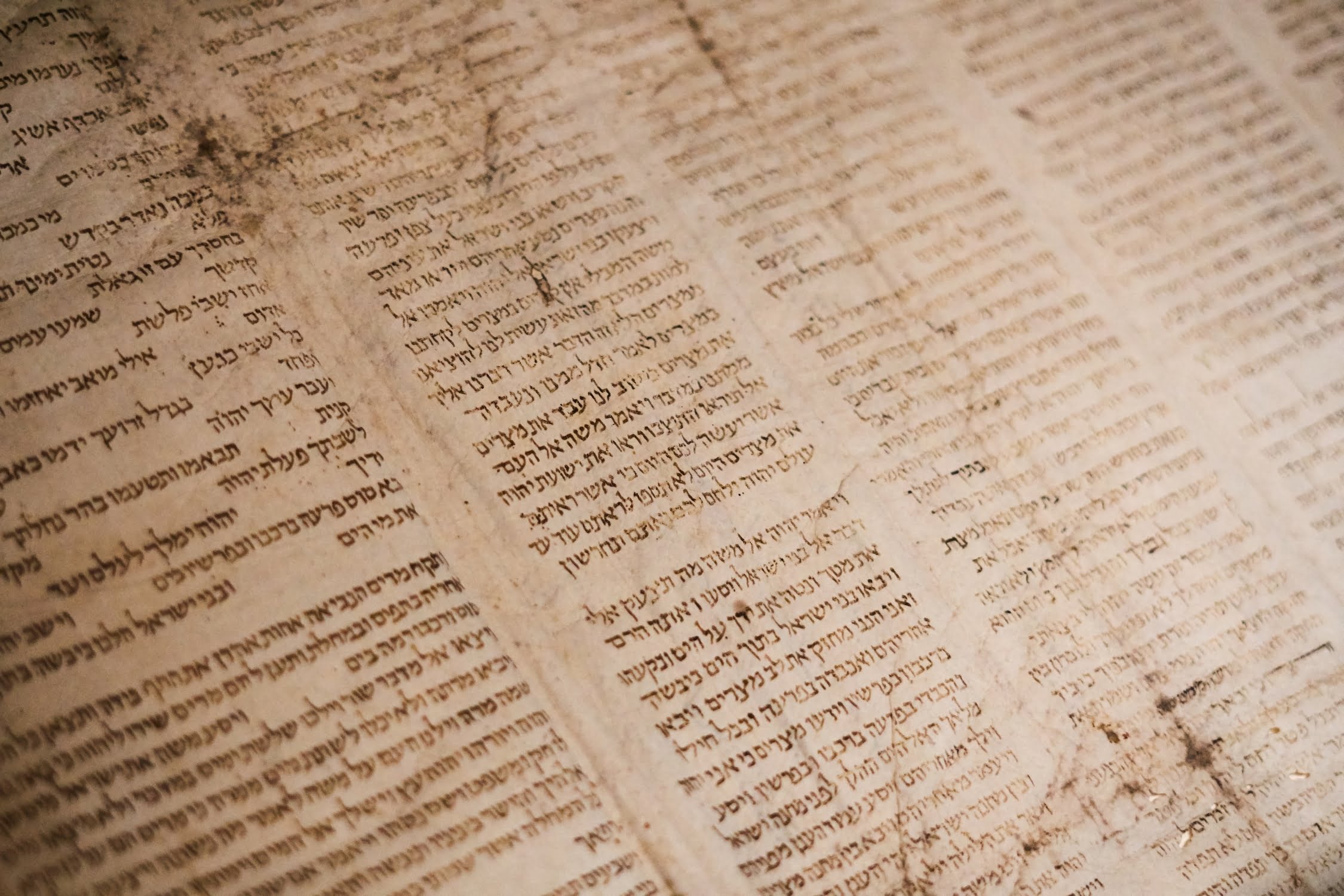
Okhlah we-Okhlah is a medieval compilation of information about the Hebrew Bible. Here are the basics about why it’s important and how to access it.
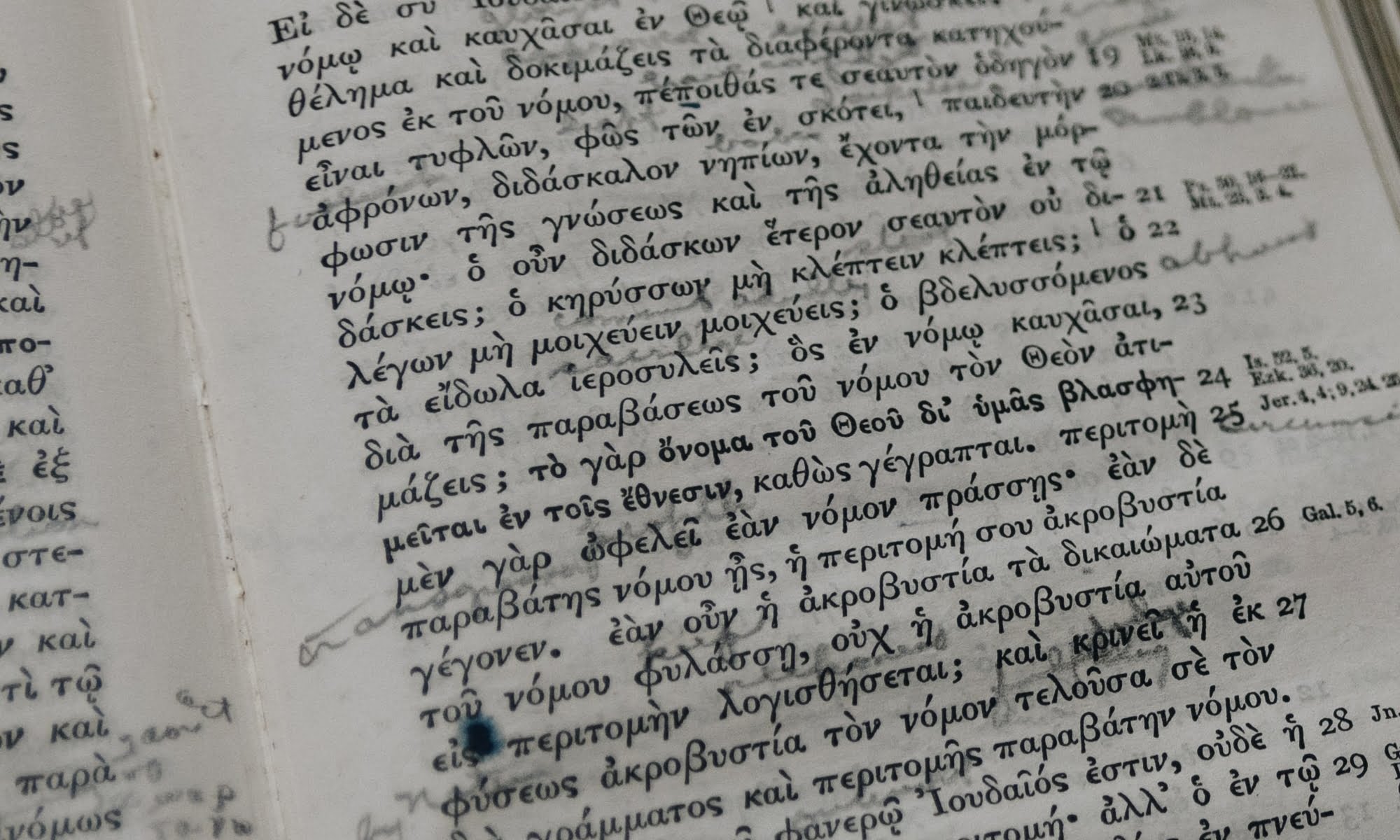
In INTF’s database, sometimes a transcription isn’t available or a manuscript image is harder to read. In these cases, check external image repositories.
With the document ID handy, INTF’s Liste search makes it quite easy to see additional information about that manuscript—and possibly the manuscript itself.
Once you understand INTF’s system, you can call up any manuscript in the database. For Greek New Testament witnesses, the document ID is a 5-digit sequence.
A modern Greek New Testament’s critical apparatus holds a wealth of information. When you’re uncertain what the apparatus means, consult the manuscripts.
The Database of Religious History tries to address the volume of scholarly literature being produced and the difficulty of keeping current with it all.
Larry Hurtado reviews Archibald Hunter’s “Paul and His Predecessors.” The full text of the revised 1961 edition was available on Internet Archive.
Daily Gleanings about what’s available through the British Library’s “Discovering Sacred Texts” web portal.
Daily Gleanings about Edwin Abbott’s “Johannine Grammar.”
Daily Gleanings about transportation networks in the Roman World of the 3rd century.
Daily Gleanings about newly digitized fragments of MS 967 containing Greek text of Ezekiel.
Daily Gleanings about the Monastic Manuscript Project.
Daily Gleanings about how to get the 21-volume “Assyrian Dictionary” via open access from the University of Chicago’s Oriental Institute.
Daily Gleanings about a new open-access monograph series from the Council for British Research in the Levant.
Daily Gleanings about openly accessing Alwin Kloekhort’s 2007 dissertation from Leiden University, “The Hittite Inherited Lexicon.”
Daily Gleaings about how to access BDB openly online.
Daily Gleanings about a free chapter from Nijay Gupta’s “Prepare, Succeed, Advance” and WiBiLex, a “scholarly Internet Bible lexicon.”
Daily Gleanings about digital humanities resources for philology and epigraphy.
Daily Gleanings from Michael Hyatt and Megan Miller about not investing in the wrong people and from Roger Pearse about hunting for manuscripts online.
Daily Gleanings about finds from AWOL about Hittite and expanded ranges of fonts.
Daily Gleanings about multi-spectral images from CSNTM and an open access series from Gorgias in partnership with De Gruyter.
Daily Gleanings about Digitial Classics on YouTube and the Catalogue of Digital Editions.
I’ve been grateful to be able to materially update two prior posts with additional content:
Daily Gleanings from Roger Pearse about the translation of the King James Version and AWOL about Brill’s “Digital Biblical Studies” series.
On theLAB, Dougald Mclaurin discusses how faculty can “work with librarians to help students write better papers.”
Similarly, see also these prior discussions about how to use your school’s library or other libraries near you.
From Brill:
...With the publication of Keeping Watch in Babylon, Brill is happy to have published the 100th volume of the series Culture and History of the Ancient Near East.
To celebrate, we are offering a selection of free articles from some of the most successful volumes in the series. Access to these articles will remain free until July 31st, 2019.
Daily Gleanings about digitizing medieval manuscripts and plans for the NA29 and UBS6.
Daily Gleanings about Codex Robertsonianus and the application of “YHWH texts” to Jesus.