Keeping the New Testament Greek, attributive adjective “position” classifications straight in one’s head can be challenging, but here is a short summary (see Porter 117):
- Article-adjective-substantive (e.g., ὁ ἀγαθὸς ἄνθρωπος),
- Article-substantive-article-adjective (e.g., ὁ ἄνθρωπος ὁ ἀγαθὸς),
- Substantive-article-adjective (e.g., ἄνθρωπος ὁ ἀγαθὸς),
- Adjective-substantive or substantive-adjective (e.g., ἀγαθὸς ἄνθρωπος or ἄνθρωπος ἀγαθὸς).
In contrast to these four basic patterns, the potentially legitimate structure article-adjective-article-substantive (e.g., ὁ ἀγαθὸς ὁ ἄνθρωπος) is not used ( Mounce §9.12).
In this post:[caption id=“attachment_1987” align=“alignleft” width=“80” caption=“William Mounce”] 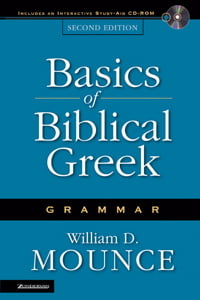 [/caption] [caption id=“attachment_1988” align=“alignleft” width=“80” caption=“Stanley Porter”]
 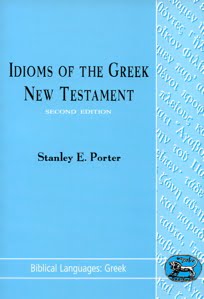 [/caption]