
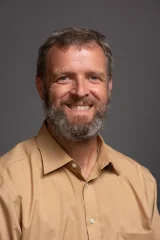
 Kevin Youngblood is Professor of Biblical Studies at Harding University.1
He is the author of Jonah in the Zondervan Exegetical Commentary on the Old Testament (affiliate disclosure; 2015). Kevin’s essay discusses several different strands in the history of interpretation of the character of Eve across Judaism, Christianity, and Islam.
Kevin Youngblood is Professor of Biblical Studies at Harding University.1
He is the author of Jonah in the Zondervan Exegetical Commentary on the Old Testament (affiliate disclosure; 2015). Kevin’s essay discusses several different strands in the history of interpretation of the character of Eve across Judaism, Christianity, and Islam.
How did you come up with the idea for what you wanted to argue in your essay?
My interest in reception history has been growing ever since I wrote my commentary on the book of Jonah and interacted with some of its reception historical treatments tangentially in that volume. Ever since, I have been itching to try my own hand at it and the invitation to contribute to this volume gave me the chance. Additionally, it seemed to me that the reception history of Eve as documented by Holly Morse had not, at the point of my writing my chapter, received the critical attention that it deserved. My hope was to draw attention to Morse’s fine work and generate much needed conversations over issues she raises in the history of the interpretation of Eve.
Did you divide your process between research and writing? If so, how?
Not really. The two usually interweave for me whenever I am working on an article or book. In this particular case, my process began with a careful reading of Morse and jotting down notes of interest and areas where I detected some possible gaps in her treatment. This led quickly to shaping my chapter along the lines of Morse’s framework. I then “toggled” back and forth between research and writing to connect the dots that Morse provided.
How did you structure the time you needed to research and write the essay? How did you coordinate work on this project around or alongside other commitments?
I did my best to take advantage of little time gaps in my schedule that were not already allocated to other things. This necessarily meant having to work with shorter stints of time scattered throughout my week, but I learned to use them efficiently when they presented themselves. Those parts of the project that required larger windows of time I accomplished during the breaks between fall and spring semesters and over the summer.
How did work on this essay contribute to, draw from, or otherwise complement your work in your church?
I preach every Sunday, and one of the series that I had done recently covered Genesis 1–11. Among those sermons was one that focused on Adam and Eve’s reinstatement as priests to God in the aftermath of their partaking of the forbidden fruit. My work on this sermon provided the groundwork for one of the supplements I offered to Morse’s collection of portraits of Eve throughout the history of interpretation.
How did you handle feedback from the editors? How did you handle reviewing and responding to proofs?
I profoundly respect the responsibility that the editors have in mediating between the publisher and the authors and always took their recommendations seriously. Having been the editor of a volume myself, I understand the pressures they are under and wanted only to make their job easier. The suggestions and requested edits of the two editors of this volume were always reasonable, and I was happy to comply.
When working on your essay, what tools did you use?
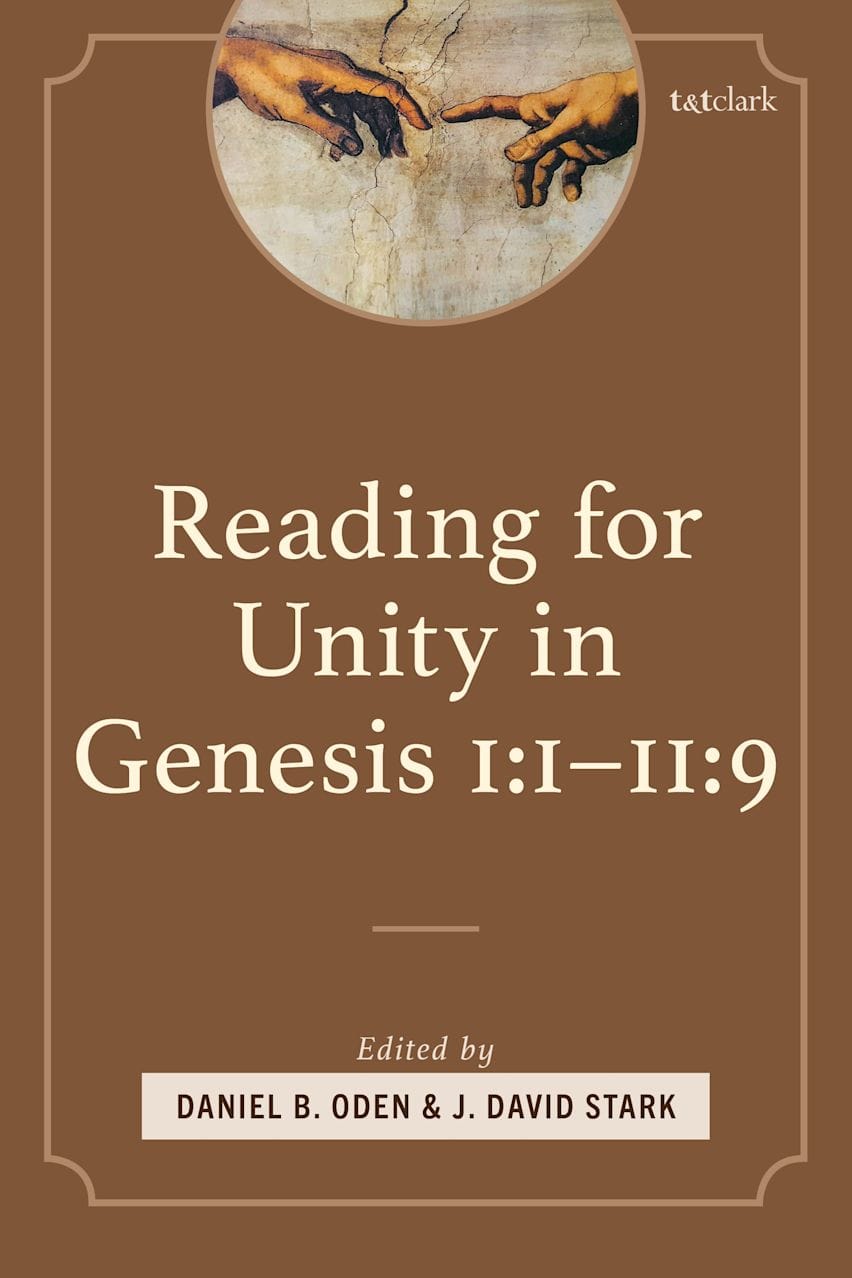 I used Logos Bible Software a lot.2
I love its library platform and the way it integrates all of my English and original language Bibles with all of my commentaries and monographs.
It is a great time saver and brings relevant discussions to my attention that I would otherwise miss.
Furthermore, it automatically cites whatever resource I use in the style of my choice, including Chicago, Turabian, or SBL.
I used Logos Bible Software a lot.2
I love its library platform and the way it integrates all of my English and original language Bibles with all of my commentaries and monographs.
It is a great time saver and brings relevant discussions to my attention that I would otherwise miss.
Furthermore, it automatically cites whatever resource I use in the style of my choice, including Chicago, Turabian, or SBL.
In addition, I used the Christian Classics Ethereal Library for access to many of my patristic sources and Hadith Collection for many of my Islamic sources.
What closing advice would you offer to emerging biblical scholars as they work on papers for academic conferences and collaborative volumes like Reading for Unity in Genesis 1:1–11:9?
My advice would be to write something everyday, whether intended for publication or not. The most crucial thing, in my opinion, is to simply cultivate the discipline of writing. It doesn’t have to be publishable, or even good, but the only way to improve writing, grow as a writer, and learn how to do it efficiently is to sit down and write something everyday. It has also helped me to share what I write with a select group of peers—and not just from academia—for feedback to ensure that my writing is clear and accessible even to those outside of my particular field.
Discuss on Mastodon.
-
Header image provided by Brett Jordan. Headshot provided by Harding University. ↩︎
-
Image provided by Bloomsbury. ↩︎