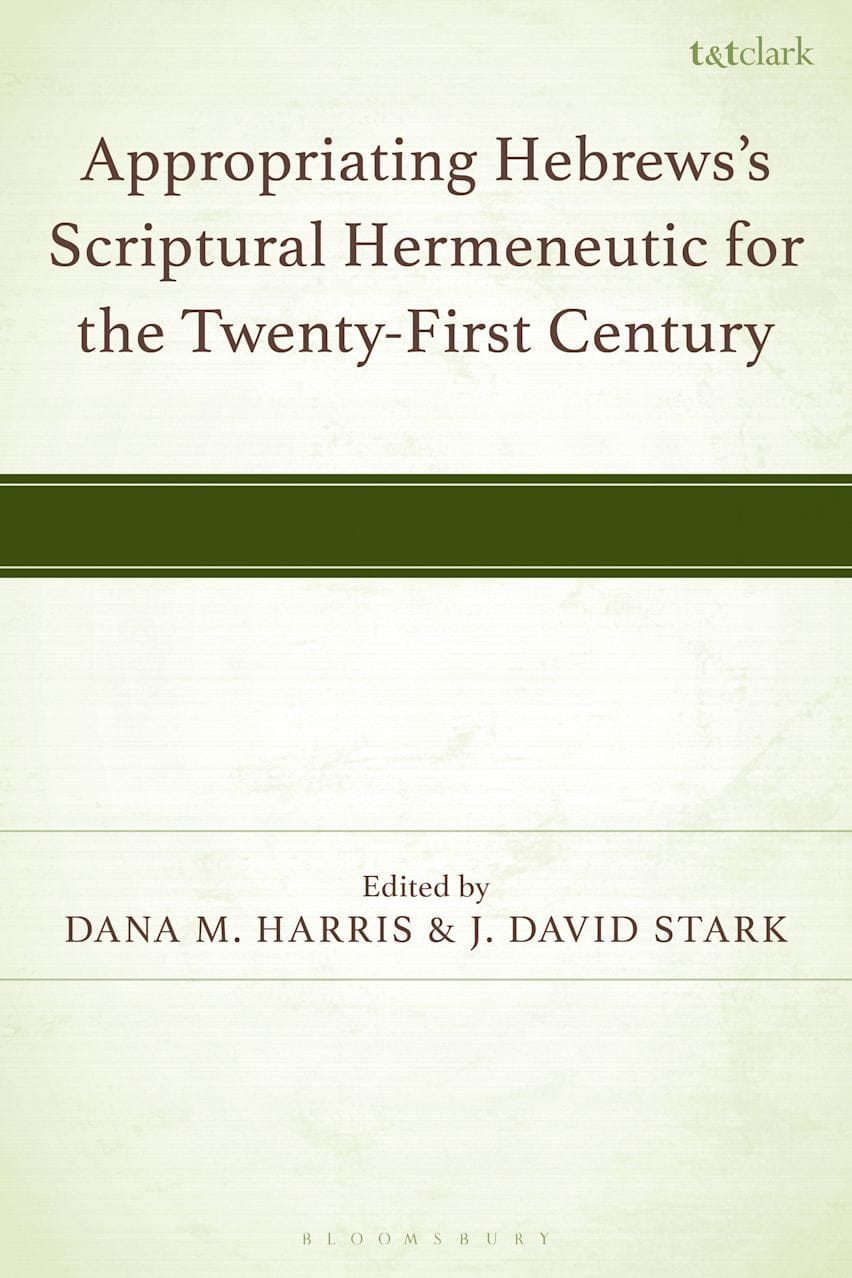
 Ardel Caneday, retired Professor of New Testament and Greek at the University of Northwestern (St. Paul), continues to teach in many venues.1 He devotes much of his time to writing for publication online and in print. Since retirement, he has served as a founding member of Christ Bible Church (Roseville, MN) and Christ Over All. In Hebrews’s Scriptural Hermeneutic ( affiliate disclosure), Ardel’s essay discusses the interpretations of Melchizedek given in Psalm 109 (OG; 110 ET, HB) and Hebrews.
How did you come up with the idea for what you wanted to argue in your essay?
Ever since I completed my PhD dissertation 34 years ago, I have been studying the New Testament’s varied uses of the Old Testament, making presentations and publishing essays. My primary focus has been on how the full spectrum of the NT, how it features Jesus Christ’s fulfillment of OT types.
Most commentaries and essays that discuss Melchizedek’s role and function within the biblical storyline do so from within the domain of hermeneutics. My own writing on NT uses of the OT has regularly appealed to fellow scholars to locate our discussions, such as Melchizedek’s role and function in the Bible’s storyline, within the domain of divine revelation rather than human interpretation. This prompted me to ponder the account of Melchizedek in Genesis 14 to take note of the features that prompted both David, the psalmist, and the writing Preacher, in Hebrews, to point to him as a prefiguration of the promised Messiah.
Did you divide your process between research and writing? If so, how?
Much of the research I did for my essay on Melchizedek as a prefiguration of the Messiah had been accomplished when I taught and wrote on Hebrews earlier. To my earlier research, I added more recent articles and commentaries.
How did you structure the time you needed to research and write the essay? How did you coordinate work on this project around or alongside other commitments?
 Retirement from full-time teaching generally provides me with sufficient time for research and writing.
When working on your essay, what tools did you use?
For every writing project I undertake, the primary research tool I use is the ATLA database, which provides links to PDF copies of most of the pertinent journal articles I need to access. Additionally, I used my lecture notes, my prepared PowerPoint slides for graphics, Logos Bible Software, and numerous commentaries from my library.
What closing advice would you offer to emerging biblical scholars as they work on papers for academic conferences and collaborative volumes like Hebrews’s Scriptural Hermeneutic?
Whenever you write, maximize your use of the writing and editing features available in whatever word processor you use. For example, if you use Microsoft Word, use the features in the Review tab such as Editor, Thesaurus, Track Changes, etc., but also Read Aloud. Before submitting a first draft to your editors, use Read Aloud while reading the text with your eyes. Listening to the text while reading it on screen encourages revision for greater clarity and effectiveness.
-
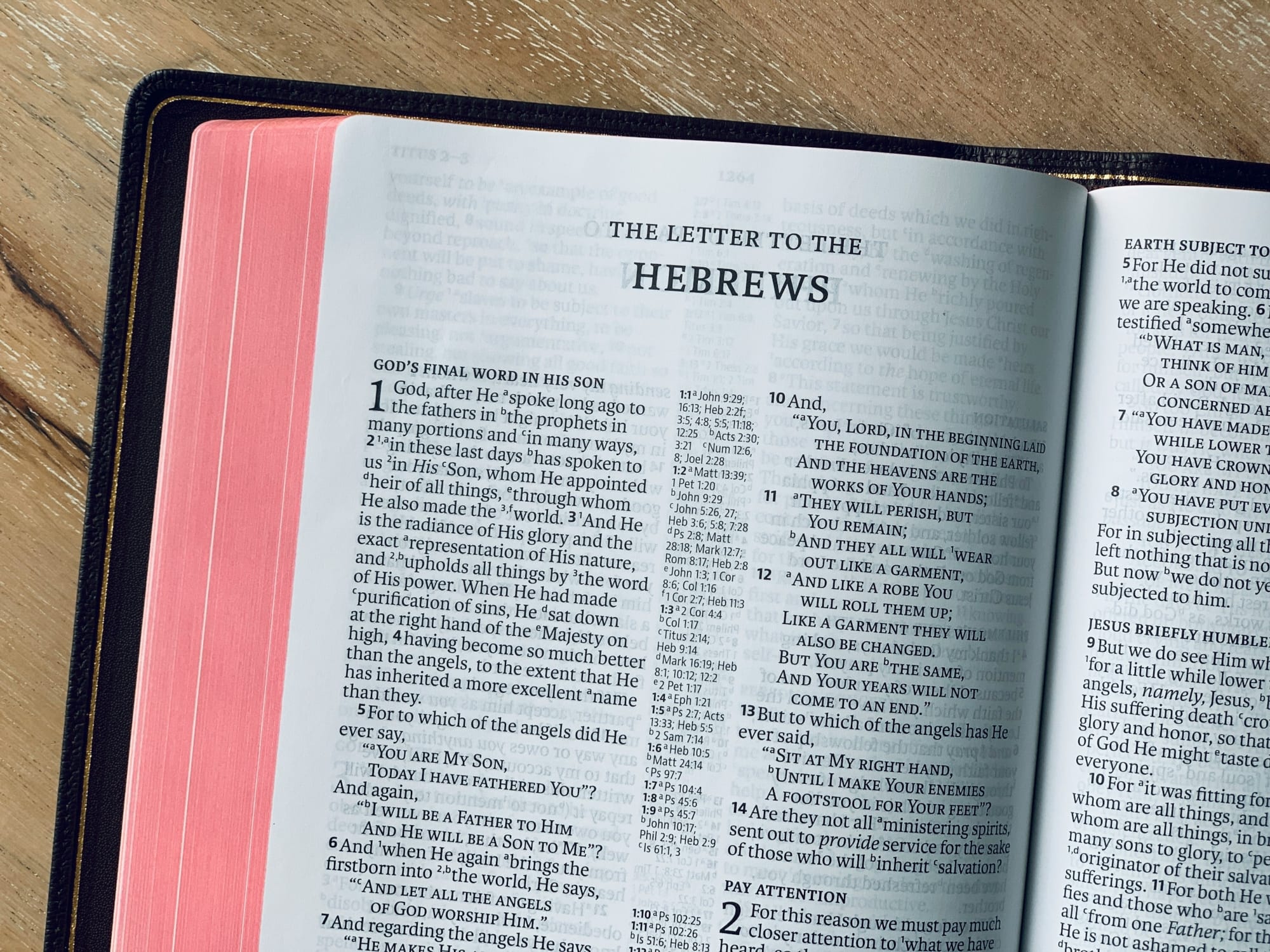
Header image provided by Tim Wildsmith. Author headshot provided by All Things Christian. Book cover image provided by Bloomsbury. ↩︎